
- September 28, 2025
- Posted by: AlcoblowPro®
- Category: Occupational Health and Safety Services
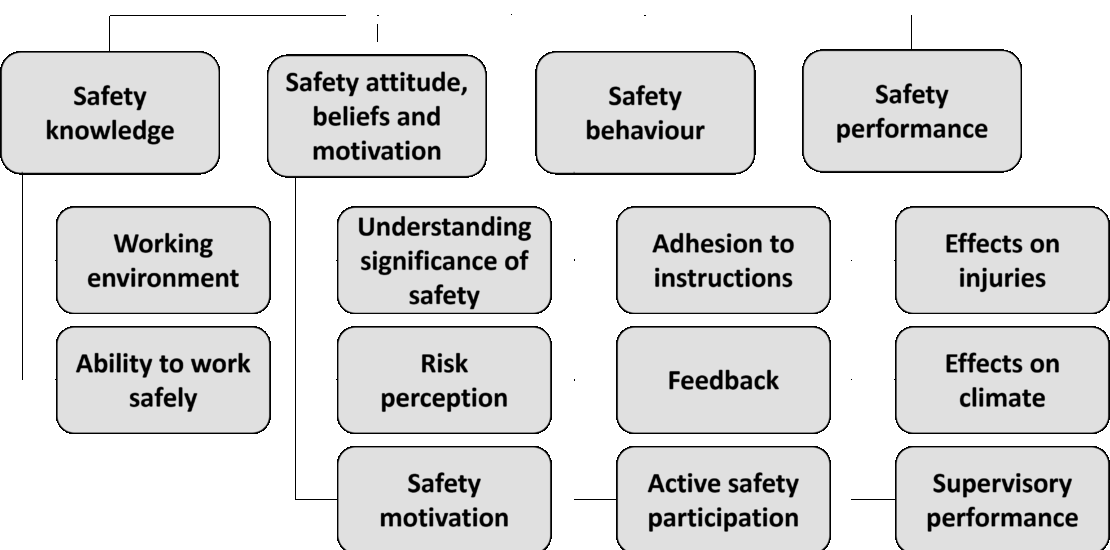
Safety training is only successful if it translates into safer behaviors and fewer incidents. Organizations invest time and resources in occupational safety programs, but without evaluation, it’s difficult to know if they are truly effective. At Alcoblow Solutions Ltd, we help organizations go beyond training delivery by integrating evaluation tools, feedback, and AlcoblowPro® data to measure impact and ensure continuous improvement.
Why Evaluate Safety Training?
-
Demonstrates ROI: Fewer alcohol-related accidents mean lower medical costs, claims, and downtime.
-
Enhances Employee Performance: Staff trained with Alcoblow testing protocols follow rules more consistently.
-
Supports Continuous Improvement: Evaluation reveals gaps in alcohol-awareness modules and device usage.
Key Components of Evaluation
-
Learning Outcomes Assessment
-
Pre- and post-training quizzes measure knowledge of safety policies.
-
Alcoblow Role: Alcohol-awareness modules include mock Alcoblow tests for knowledge retention.
-
-
Behavioral Changes
-
Observe if staff apply training in daily routines.
-
Alcoblow Role: Fewer positive test results show training success in discouraging workplace drinking.
-
-
Feedback & Surveys
-
Collect employee feedback on clarity and usefulness.
-
Alcoblow Role: Surveys ask how comfortable employees feel with Alcoblow procedures and policies.
-
-
Incident & Near-Miss Analysis
-
Review accident data before and after training.
-
Alcoblow Role: Compare incident logs with Alcoblow device records to track risk reduction.
-
Methods of Evaluation
-
Quantitative: Compare incident rates and costs before and after training; Alcoblow test logs provide hard data on impairment reduction.
-
Qualitative: Interviews and focus groups reveal employee attitudes towards Alcoblow testing and alcohol-free policies.
Challenges in Evaluation
-
Measuring long-term behavior changes.
-
External factors like turnover or new hazards.
-
Soft skills (communication, peer intervention) harder to quantify — but Alcoblow device data fills part of this gap.
Designing an Evaluation Framework (AlcoblowPro® Approach)
-
Identify Objectives: Safer, sober workplace.
-
Select Indicators: Alcohol test pass rates, incident frequency, knowledge scores.
-
Collect Data: Alcoblow logs, employee feedback, incident reports.
-
Analyze Data: Combine qualitative and quantitative insights.
-
Adjust & Improve: Update policies, training modules, and device placement.
Conclusion
Evaluating safety training ensures that resources deliver real value: fewer accidents, healthier employees, and safer operations. By integrating AlcoblowPro® devices into training evaluation, organizations gain measurable proof of compliance and safety impact.
With Alcoblow Solutions Ltd, evaluation is not just about checking a box — it’s about sustained improvement, ROI, and a sober, productive workforce.
📞 0713 471 472 | ✉️ sales@alcoblow.co.ke | 🌐 AlcoblowPro® Devices
