
- September 28, 2025
- Posted by: AlcoblowPro®
- Category: Occupational Health and Safety Services
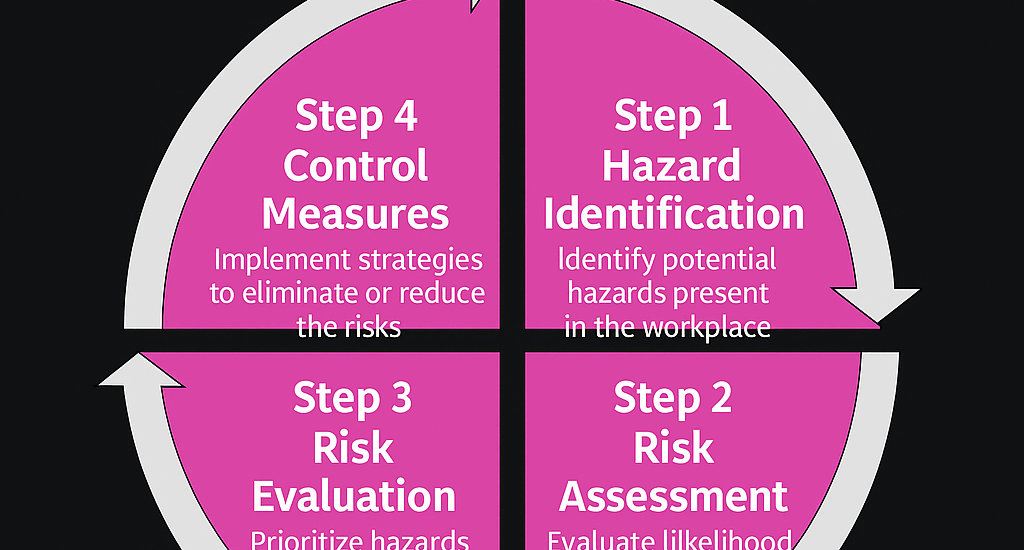
Risk assessment is the backbone of occupational safety. It ensures hazards are identified, evaluated, and controlled before they cause harm. At Alcoblow Solutions Ltd, we help organizations integrate alcohol testing and monitoring into their risk assessments — addressing alcohol impairment as one of the most overlooked workplace hazards.
Significance of Risk Assessment
-
Prevention of Accidents: Identifies hazards before they cause injuries.
-
Alcoblow Link: Pre-shift Alcoblow testing stops impaired staff from operating vehicles or machinery.
-
-
Legal Compliance: Regulations require risk assessments for workplace safety.
-
Alcoblow Link: Alcoblow devices provide audit-ready test logs for DOSHS and international compliance.
-
-
Cost Savings: Reduces accidents, compensation claims, and downtime.
-
Alcoblow Link: One Alcoblow unit preventing a single accident can save millions in legal and medical costs.
-
Process of Risk Assessment
1. Hazard Identification
-
Physical, chemical, biological, ergonomic, and psychosocial hazards.
-
Alcoblow Link: Alcohol impairment is a human factor hazard — Alcoblow screening identifies it upfront.
2. Risk Assessment
-
Evaluate likelihood and severity using matrices.
-
Alcoblow Link: Alcoblow testing quantifies alcohol risk levels in safety-critical roles.
3. Risk Evaluation
-
Prioritize high-risk hazards for immediate control.
-
Alcoblow Link: Alcohol-related risks (drivers, machine operators, pilots) receive highest priority.
4. Control Measures (Hierarchy of Controls)
-
Elimination: Remove the hazard entirely.
-
Alcoblow: Alcohol-free workplace policy with Alcoblow enforcement.
-
-
Substitution: Replace hazard with safer alternative.
-
Alcoblow: Substitute random suspicion with objective Alcoblow tests.
-
-
Engineering Controls: Guarding machines, ventilation.
-
Alcoblow: Install wall-mounted Alcoblow AT05 at entry points.
-
-
Administrative Controls: Policies, rotations, training.
-
Alcoblow: Alcohol testing integrated into SOPs, onboarding, and shift handovers.
-
-
PPE: Helmets, gloves, respirators.
-
Alcoblow: Ensuring workers are sober before using PPE enhances effectiveness.
-
Examples of Control Measures
-
Engineering Controls: Machine guards, ergonomic design, ventilation.
-
Alcoblow: Alcohol interlocks for buses and fleets.
-
-
Administrative Controls: Clear policies, safety drills, job rotations.
-
Alcoblow: Daily Alcoblow checks in company safety policy.
-
-
PPE: Helmets, goggles, gloves.
-
Alcoblow: PPE is effective only if workers are sober and alert.
-
-
Emergency Planning: Fire, chemical spill, medical emergencies.
-
Alcoblow: Emergency teams tested for fitness before deployment.
-
-
Health & Hygiene: Medical checks, wellness programs.
-
Alcoblow: Integration with wellness to detect stress-related alcohol misuse.
-
Monitoring and Continuous Improvement
-
Regular Inspections: Catch new hazards quickly.
-
Alcoblow: Supervisors use handheld testers during routine rounds.
-
-
Data Analysis: Identify trends in incidents.
-
Alcoblow: 8000T stores test data for trend analysis and compliance reporting.
-
-
Employee Feedback: Staff engagement improves hazard detection.
-
Alcoblow: Workers trained to self-check with portable testers can report risks early.
-
Conclusion
Risk assessment and control measures are vital to preventing accidents and promoting compliance. By embedding AlcoblowPro® Breathalyzers into hazard identification, risk evaluation, and control measures, organizations can address alcohol impairment — one of the most underestimated hazards.
With Alcoblow Solutions Ltd, employers gain:
✅ Safer, sober, and compliant workplaces.
✅ Reduced accidents and costs.
✅ Improved morale and productivity.
