
- September 28, 2025
- Posted by: AlcoblowPro®
- Categories: Occupational Health, Occupational Health and Safety Services, Occupational Safety
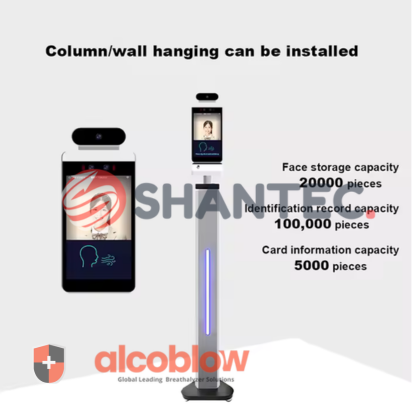
In any Occupational Health and Safety Management System (OHSMS), safety policies form the backbone of risk management. At Alcoblow Solutions Ltd, we help organizations not only design these policies but also integrate alcohol testing measures that directly address high-risk behaviors contributing to accidents, ensuring both compliance and a culture of accountability.
Understanding Safety Policies
Safety policies are formal statements of an organization’s commitment to safety and health. They define how risks will be managed, who is responsible, and what procedures must be followed. With AlcoblowPro® devices, organizations can extend these policies to include workplace alcohol testing, ensuring that impairment is never a hidden hazard.
Importance of Safety Policies
Effective safety policies deliver benefits such as:
-
Risk Reduction → AlcoblowPro® testing eliminates alcohol-related risks before they cause accidents.
-
Legal Compliance → Aligning with DOSHS regulations, KEBS standards, and OHS laws.
-
Employee Morale → Workers feel valued when they know safety comes first.
-
Reputation → Clients trust organizations that actively enforce zero-tolerance safety policies.
-
Operational Efficiency → Fewer alcohol-related delays and accidents mean better productivity.
Key Elements of Safety Policies
-
Statement of Intent → “We are committed to a safe, alcohol-free workplace.”
-
Scope → Applies across all departments, including drivers, operators, and field staff.
-
Responsibilities → Management enforces, supervisors monitor, employees comply.
-
Risk Assessment → Identifies alcohol, fatigue, chemicals, and ergonomic hazards.
-
Control Measures → Use AlcoblowPro® wall-mount, mobile testers, or checkpoints.
-
Training & Communication → Ongoing safety training + awareness campaigns.
-
Emergency Procedures → Clear protocols if an intoxicated worker is detected.
-
Performance Measurement → Track incidents and positive tests to measure success.
-
Continuous Improvement → Update policies as risks and technologies evolve.
Steps in Developing Safety Policies
-
Needs Assessment → Identify risks (alcohol impairment, machinery, chemicals).
-
Stakeholder Input → Engage staff, safety officers, and management.
-
Drafting → Simple, clear, enforceable wording.
-
Review & Approval → Ensure compliance with laws and industry standards.
-
Implementation Plan → Roll out via staff training and safety meetings.
-
Training Strategy → Use Alcoblow Solutions’ training modules.
-
Communication → Posters, signage, and digital platforms.
-
Monitoring → Regular Alcoblow tests + inspections.
-
Review & Update → Annual review of effectiveness.
Hazard Control Measures with Alcoblow
-
Physical Hazards → Policies mandate PPE and noise controls.
-
Chemical Hazards → Clear handling, storage, and disposal rules.
-
Biological Hazards → Infection control training and PPE.
-
Ergonomic Hazards → Safe workstation design and job rotation.
-
Psychosocial Hazards → Stress reduction, anti-bullying, and alcohol-free culture via AlcoblowPro® checks.
Conclusion
Developing safety policies is more than ticking compliance boxes—it’s about embedding safety into daily operations. With Alcoblow Solutions Ltd, organizations can link policy with practice, ensuring hazards are managed, alcohol risks are controlled, and employees thrive in a culture of safety and accountability.
